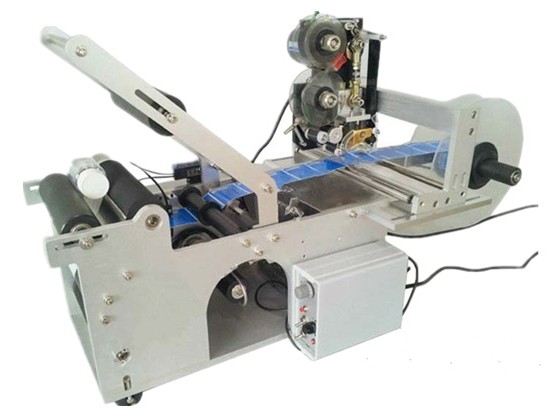
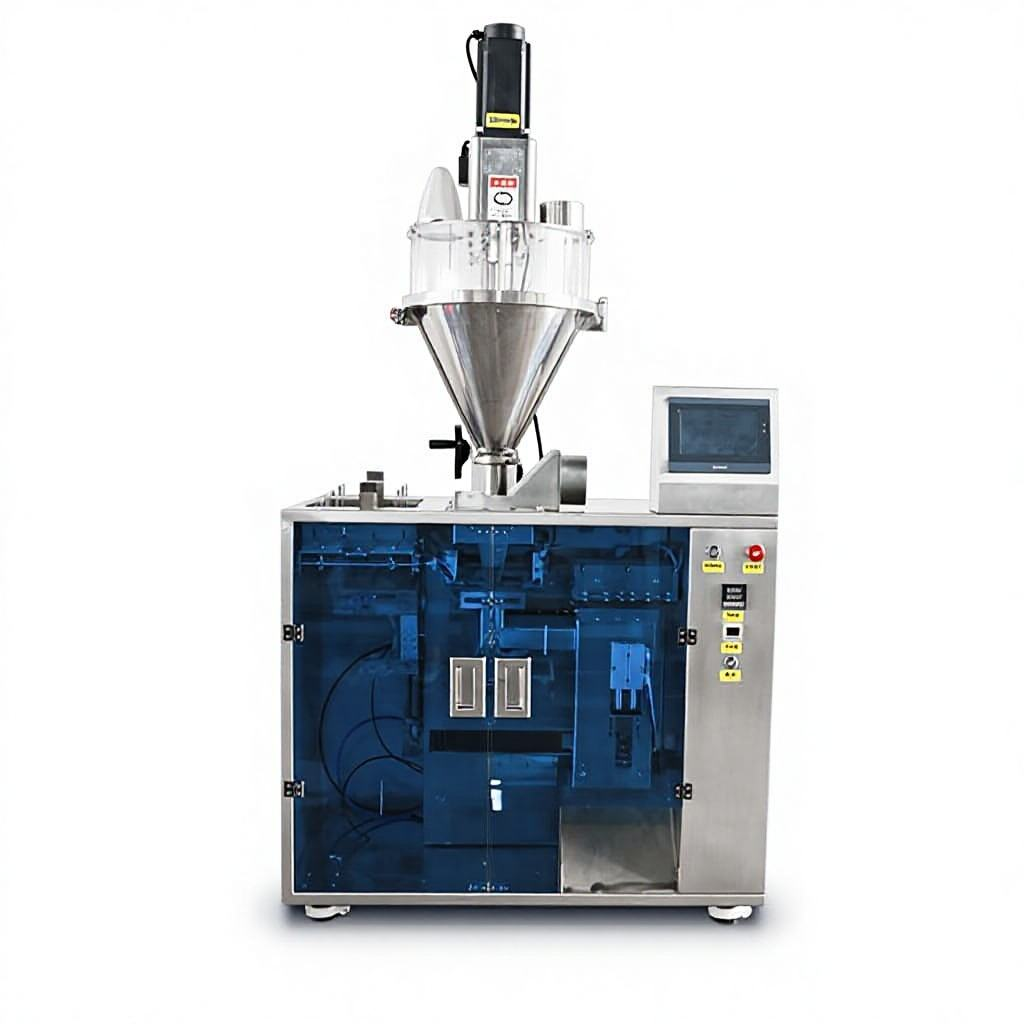
The Automatic Powder Screw Metering Weighing Filling Packaging Machine is a high-precision, fully automatic packaging solution for powder products. Combining screw metering with weighing feedback, it completes feeding, dosing, filling, and sealing in one continuous process. It is ideal for flour, milk powder, coffee, pharmaceutical powders, and chemical powders. With PLC touchscreen control, servo drive, stainless steel construction, and customizable bag types, weight ranges, and output capacities, it delivers stable performance for food, pharmaceutical, chemical, and agricultural industries.
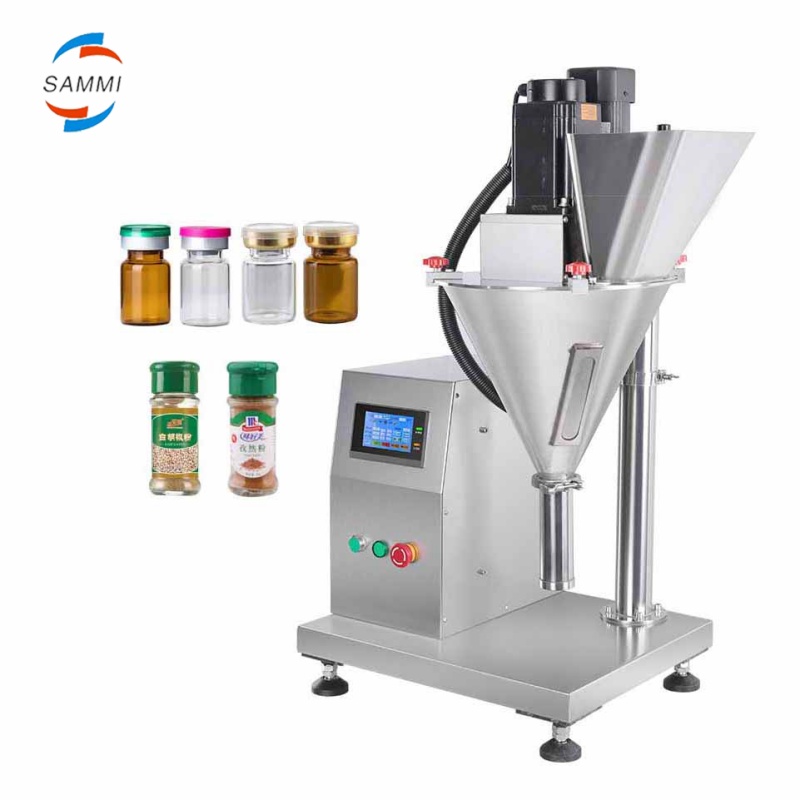
If you work with powders—whether flour, milk powder, coffee, spices, pharmaceuticals, or chemical additives—you already know that filling accuracy is one of the hardest goals to achieve. Powders flow differently from liquids. They can be light and airy, dense and sticky, or prone to caking. A simple volumetric filler often struggles to maintain consistent weights, especially when product density changes from batch to batch.
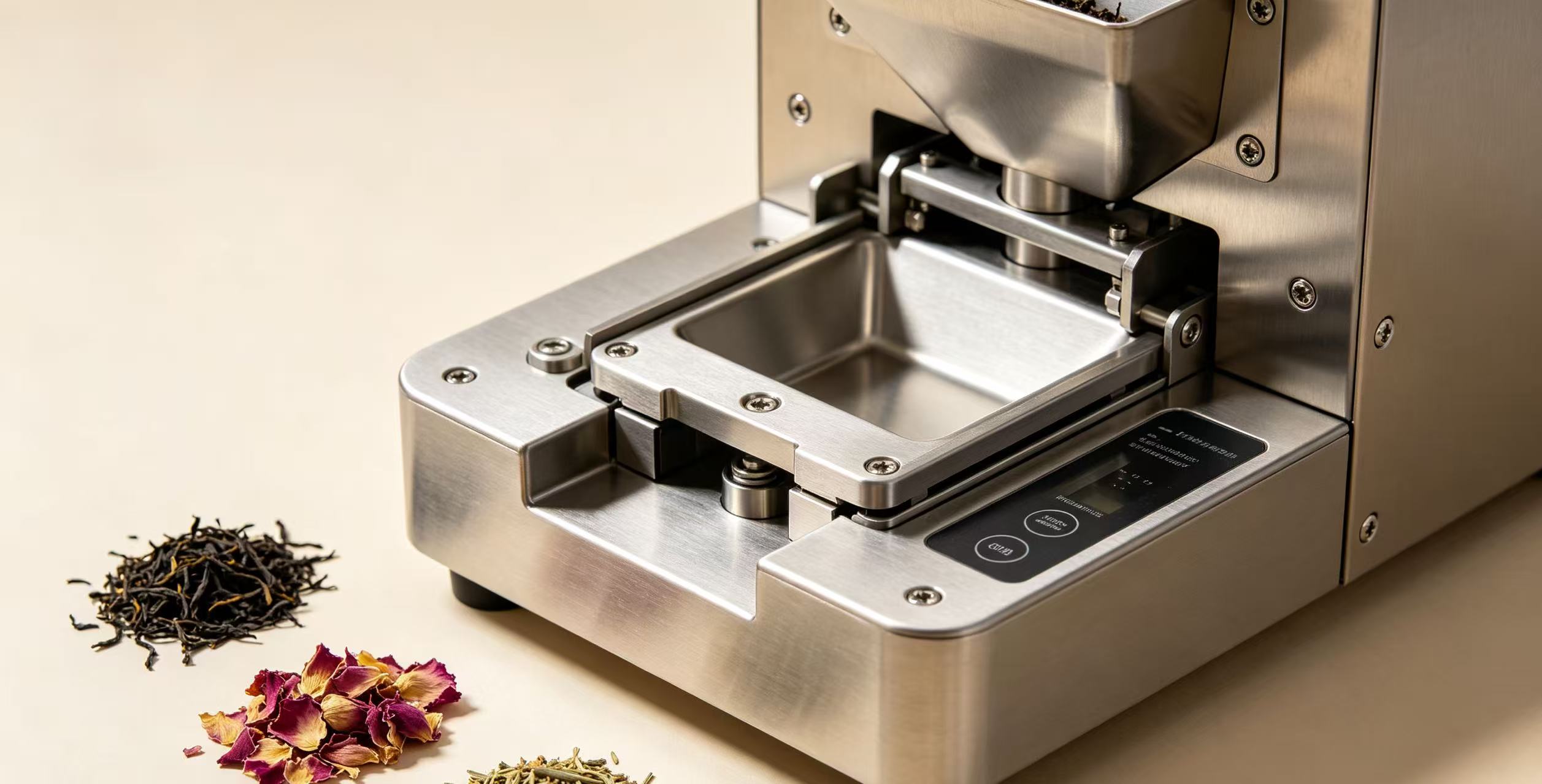
The easy-maintainable tea weighing machine features tool-free disassembly and simplified servicing structure. It maintains reliable and consistent weighing accuracy for loose leaf, flower and herbal tea, reducing cleaning time and production downtime for tea factories.

The 2g to 100g tea weighing machine factory adopts upgraded energy-saving components and intelligent frequency conversion technology to reduce idle power consumption. It maintains full-range accurate weighing performance while lowering operational costs and carbon emissions, supporting global tea factories with sustainable and eco-friendly production.

The 2g to 100g tea weighing machine offers full-range precise portioning for delicate loose leaf tea and complex herbal tea blends. It ensures stable net weight accuracy, protects fragile tea materials from damage, and supports flexible switching between various small and medium tea packaging specifications.

The modular advanced tea weighing machine features detachable and replaceable functional components, enabling fast specification switching for diversified premium tea production. It maintains high weighing accuracy and protects tea product quality while shortening production conversion time, reducing maintenance costs and supporting agile small-batch, multi-variety tea manufacturing.