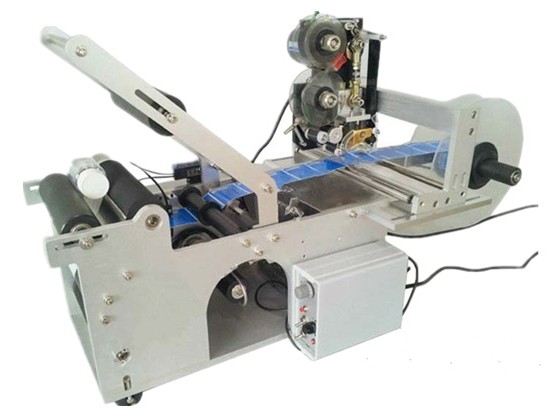
A liquid filling machine plays a critical role in modern manufacturing by ensuring accurate, consistent, and hygienic filling of liquids into containers. From food and beverage to chemical and pharmaceutical production, this equipment helps manufacturers reduce waste, control costs, and maintain stable product quality. This article provides a structured and practical explanation of how a liquid filling machine works, the problems it solves, key technical parameters, application scenarios, and common questions buyers often ask before making a purchasing decision.
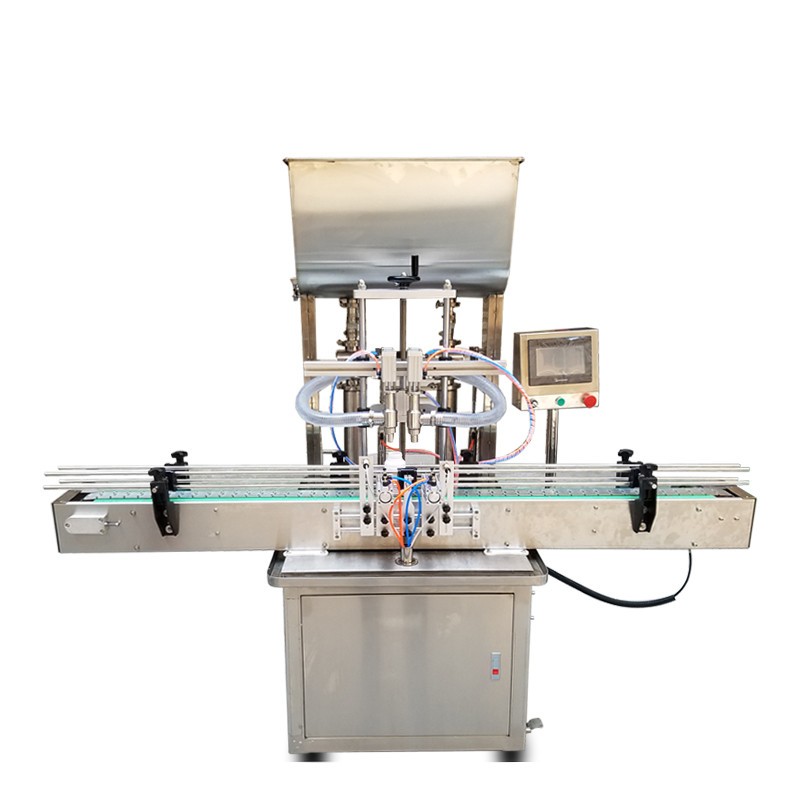
A liquid filling machine is an automated or semi-automated system designed to dispense a precise volume of liquid into containers such as bottles, jars, cans, or pouches. These machines are engineered to handle liquids with varying viscosities, ranging from water-like solutions to thick and viscous products.
In industrial environments, consistency and speed are essential. Manual filling often leads to uneven volumes, spillage, contamination risks, and labor inefficiencies. A liquid filling machine addresses these issues by integrating controlled dosing systems, stable filling nozzles, and programmable logic that maintains uniformity across every production batch.
Manufacturers frequently encounter operational bottlenecks when liquid filling relies on manual labor or outdated equipment. These challenges can directly impact profitability and brand reputation.
A modern liquid filling machine addresses these issues by standardizing filling accuracy, improving throughput, and supporting compliance with hygiene and safety requirements.
Liquid filling machines are classified based on their filling mechanism and the physical properties of the liquid. Selecting the appropriate type is essential for stable long-term operation.
Each system operates through synchronized container positioning, controlled liquid transfer, and automated cut-off to prevent dripping and spillage.
Evaluating technical parameters helps buyers ensure the machine aligns with production goals and liquid characteristics. The table below highlights common parameters considered during selection.
| Parameter | Description |
|---|---|
| Filling Range | Minimum and maximum volume per fill cycle |
| Filling Accuracy | Permissible deviation per container |
| Production Capacity | Containers filled per hour |
| Viscosity Compatibility | Suitable liquid thickness range |
| Material Contact Parts | Stainless steel or food-grade materials |
| Control System | Manual, PLC, or touchscreen interface |
Liquid filling machines are widely used across industries due to their adaptability and reliability.
Manufacturers working with different container shapes and production scales benefit from customizable filling solutions that integrate seamlessly into existing packaging lines.
Q: How does a liquid filling machine ensure filling accuracy?
A: Filling accuracy is achieved through calibrated dosing systems, controlled valves or pistons, and programmable settings that maintain consistent volume for each container.
Q: Can one liquid filling machine handle multiple products?
A: Many machines are designed with adjustable settings and interchangeable parts, allowing them to handle different liquids and container sizes with proper cleaning and setup.
Q: What factors affect long-term machine performance?
A: Liquid properties, maintenance frequency, material quality, and correct parameter configuration all influence long-term stability and operational lifespan.
A liquid filling machine is a foundational investment for manufacturers seeking stable output, reduced waste, and consistent product presentation. By selecting equipment aligned with liquid characteristics and production demands, businesses can significantly improve operational efficiency and quality control.
Sammipack provides reliable liquid filling machine solutions designed to support diverse industrial applications with precision and durability. For tailored equipment recommendations and professional support, contact us to discuss how the right filling system can optimize your production line.