Packaging lines are under growing pressure to maintain consistent quality while keeping production processes efficient and stable. As manufacturers handle different container types, materials, and product formats, reliable sealing has become an important part of packaging system design. A well-selected Sealing machine can help create consistent package closure, reduce process variation, and support smoother coordination between filling, capping, labeling, coding, and downstream handling operations.
However, selecting packaging equipment is not simply a matter of choosing a machine with a suitable sealing function. The packaging material, container structure, product characteristics, sealing method, production environment, automation level, and maintenance requirements all influence the final result. Understanding these factors helps manufacturers build a packaging process that is practical for everyday production rather than focusing only on machine specifications.
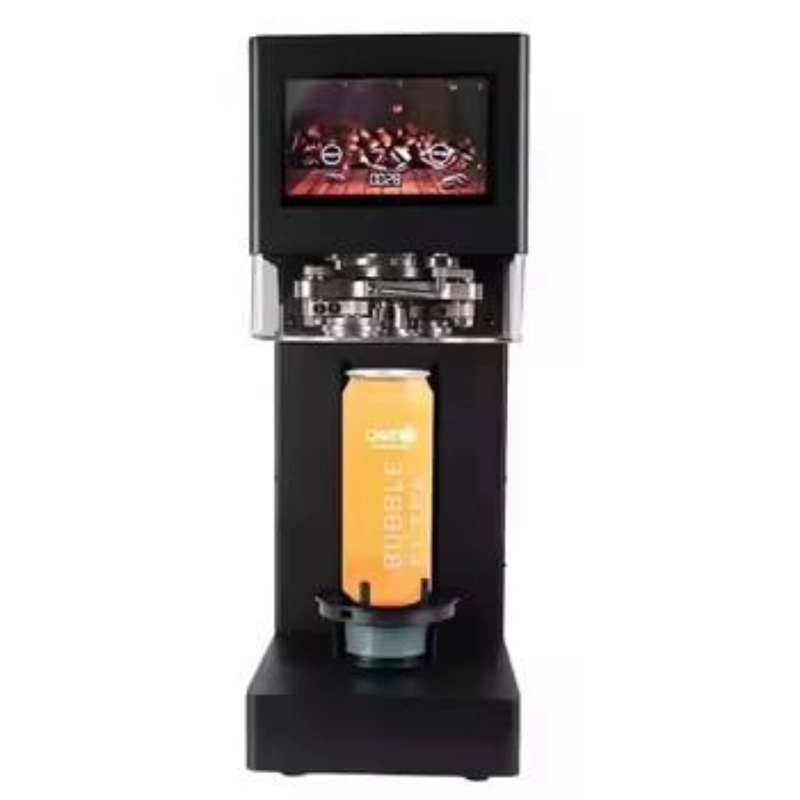
The closure of a package plays an important role in protecting the contents after filling. A package may look complete from the outside, but inconsistent sealing can create problems during transportation, storage, handling, or later use. Weak closure, uneven sealing, material deformation, or incomplete bonding can affect package integrity and may lead to product leakage or contamination.
For this reason, sealing should be considered as part of the complete packaging process. The equipment needs to work in coordination with upstream and downstream machinery so that containers move through the line smoothly. When the sealing process is stable, other operations such as labeling, coding, inspection, and secondary packing can also operate with fewer interruptions.
A reliable closure helps separate the packaged product from the external environment. Depending on the application, the package may need protection against dust, moisture, oxygen, leakage, or accidental opening. The exact protection requirement depends on the product and packaging structure, so the sealing method should be selected according to actual operating conditions.
For liquid products, sealing performance is particularly important because leakage can affect both the product and surrounding packages. For powders and granular materials, the closure needs to prevent product particles from entering the sealing area or compromising the package edge. For sensitive products, the sealing process may also need to support controlled packaging conditions.
Manual or poorly controlled sealing processes can produce variation from one package to another. Differences in pressure, temperature, positioning, contact time, or material alignment may influence the finished closure. Automated equipment is designed to control these operating factors more consistently, helping production teams maintain a repeatable process.
Consistency is valuable not only for appearance but also for quality management. When the sealing process follows a controlled operating procedure, production teams can more easily identify abnormal conditions and make adjustments when required.
Packaging applications vary considerably. A sealing system designed for one container or packaging material may not be suitable for another. Before equipment selection, manufacturers should define the package structure, material characteristics, product properties, line configuration, and required operating conditions.
The packaging material is one of the first factors to evaluate. Different films, laminates, plastic materials, aluminum structures, and composite packaging materials can have different sealing characteristics. Some materials require controlled heating, while others may use pressure, induction, ultrasonic energy, or another sealing principle.
Material thickness and surface structure can also affect the sealing process. A material that appears similar to another packaging film may respond differently to heat or pressure. Therefore, testing the actual packaging material is often more useful than selecting equipment based only on a general material description.
The shape and construction of the package influence how it should be positioned and sealed. Bottles, jars, pouches, trays, bags, and other packaging formats may require different handling arrangements. Container height, opening structure, neck design, film position, and package stability can all affect equipment configuration.
A suitable system should maintain stable package positioning during the sealing process. If containers move, tilt, or become misaligned before sealing, even a technically capable machine may not deliver the expected result. Good mechanical integration therefore matters as much as the sealing mechanism itself.
The contents inside the package should also be considered. Liquids, powders, granules, viscous products, and solid items can create different sealing challenges. Product residue around the sealing area may interfere with closure quality, while heat-sensitive contents may require a carefully controlled process.
Understanding the relationship between the product and package helps determine whether the sealing process should prioritize heat control, pressure control, cleanliness, speed, or another operating factor.
There is no universal sealing technology for every packaging requirement. Each method has its own operating principle and application range. The appropriate choice depends on the package structure, material, product properties, production environment, and required level of automation.
Heat sealing uses controlled thermal energy to bond compatible packaging materials. It is widely used for flexible packaging because it can create a continuous closure along the package edge. Temperature, pressure, and contact conditions need to be controlled carefully to achieve a stable result.
If the temperature is too low, the material may not bond properly. Excessive heat can deform the packaging material or affect the appearance of the finished package. Stable temperature control and suitable contact pressure therefore play an important role in the process.
Induction sealing is commonly associated with containers that use a compatible liner or foil-based sealing layer. The process generates heat within the sealing layer without requiring direct contact between a heating element and the liner. This can support clean and controlled container closure when the package structure is designed for induction sealing.
The liner, container material, cap structure, and operating conditions must be compatible with the induction process. Proper alignment between the container and sealing head is also important for consistent results.
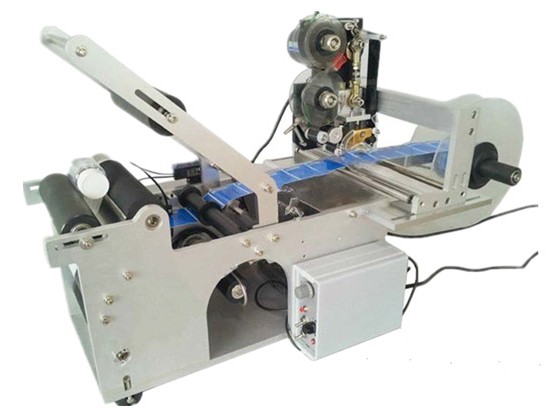
Continuous band systems are often used for bags and flexible packages that need repeated sealing along a consistent path. The package moves through the sealing area while the machine performs the closure operation. This design can support continuous production and reduce the need for individual manual sealing.
Such systems may be integrated with printing or coding functions, allowing package identification information to be handled within the same general workflow. The final configuration depends on the packaging format and production requirements.
Some packaging applications require specialized technologies because conventional heating or pressure methods may not provide the desired result. Ultrasonic sealing, impulse sealing, and other controlled methods can be considered for specific material structures or product requirements.
The purpose of technology selection should be to match the sealing process with the package rather than choosing equipment simply because a particular technology is widely used. Application testing can help determine whether a proposed method provides sufficient closure quality and production stability.
Even when the correct sealing principle has been selected, operating conditions can affect package quality. A stable system should control the factors that have the greatest influence on the closure process and provide practical adjustment options for production teams.
For heat-based processes, temperature stability is fundamental. The sealing surface needs to provide enough thermal energy to create a reliable bond without damaging the package. Variations in material composition, ambient conditions, and machine operation may influence heat transfer.
Modern equipment may use temperature monitoring and controlled heating systems to maintain a more stable process. Operators should still follow the recommended operating range for the selected packaging material and verify the finished seal through appropriate quality checks.
Pressure determines how closely the packaging layers come together during sealing. Uneven pressure may produce weak areas or inconsistent closure. Mechanical alignment, sealing head condition, and package positioning can all influence contact quality.
Excessive pressure is not necessarily beneficial. Depending on the material, too much mechanical force can deform the package or damage the sealing layer. The objective is controlled and repeatable contact rather than maximum pressure.
Contact time can influence how energy is transferred to the packaging material. In a heat sealing process, insufficient contact may prevent proper bonding, while excessive exposure may damage the package. The appropriate timing depends on the material and sealing technology.
Stable machine movement is equally important. Irregular feeding, vibration, or inconsistent package positioning can introduce variation into the sealing process. Mechanical design and control systems should therefore work together to maintain repeatable movement.
Automation can connect individual packaging operations into a coordinated production line. Instead of treating filling, sealing, labeling, coding, and inspection as isolated tasks, manufacturers can organize them as connected stages within one workflow.
After a product is filled into its container or package, the package needs to move into the next stage without unnecessary interruption. Integration between filling and sealing equipment can reduce manual handling and help maintain a consistent production flow.
For liquid or semi-liquid products, stable transfer is particularly important because sudden movement can cause product splashing or residue around the sealing area. Equipment layout should therefore consider both packaging speed and product behavior.
Sealed packages often continue to labeling and date coding operations. A coordinated line can reduce repeated manual positioning and improve the consistency of package presentation. Coding information can also be applied at an appropriate stage after the package has reached a stable condition.
When several machines are connected, communication between equipment becomes important. Sensors, conveyors, control systems, and safety devices need to operate together so that one abnormal condition does not unnecessarily disrupt the entire production process.
Inspection can be introduced at different stages of a packaging line. Depending on the application, production teams may check seal appearance, package position, closure integrity, coding information, container condition, or other quality characteristics.
The inspection method should reflect the actual quality risks of the package. Visual inspection may be appropriate for some applications, while more specialized testing may be required when closure integrity is critical.
Packaging teams may encounter several recurring issues during sealing operations. The cause is not always the machine itself. Packaging material, container condition, product residue, incorrect settings, mechanical wear, or upstream process variation can all contribute to an unstable result.
| Common Condition | Possible Cause | Practical Direction |
|---|---|---|
| Weak closure | Insufficient heat, pressure, or contact | Review process settings and material compatibility |
| Uneven sealing | Package misalignment or inconsistent contact | Check positioning and sealing surface condition |
| Material deformation | Excessive thermal or mechanical energy | Adjust the process according to material characteristics |
| Product residue near the seal | Filling or handling variation | Improve filling control and keep the sealing area clean |
| Frequent line interruption | Feeding, sensing, or equipment coordination issues | Inspect the complete line rather than only the sealing station |
A weak seal can result from insufficient energy, incorrect pressure, poor material compatibility, or unstable package positioning. Before changing the machine, production teams should check whether the actual packaging material matches the intended sealing process.
It is also useful to inspect the sealing surface and confirm that the package reaches the sealing position consistently. A small alignment problem can become a repeated quality issue when the line operates continuously.
When packaging material becomes excessively deformed, the process may be receiving too much thermal energy or mechanical pressure. Reducing the relevant operating factor may help, but changes should be made according to the characteristics of the packaging material.
Operators should avoid treating a single setting as universally suitable. Different materials can respond differently even when they are used for similar package formats.
Product contamination around the sealing area is a common reason for inconsistent closure. Filling equipment should be adjusted to minimize splashing, overflow, or residue. The package should also arrive at the sealing station in a suitable condition.
When contamination repeatedly occurs, changing the sealing setting alone may not solve the problem. The upstream filling process should be reviewed as part of the overall packaging workflow.
Application testing provides useful information before equipment is introduced into regular production. Testing the actual package, material, and product can reveal conditions that are difficult to predict from written specifications alone.
Samples should represent the materials that will be used in regular production. If different film structures or container materials are planned, each relevant format should be evaluated. This helps determine whether the proposed sealing process can deliver a stable closure across the intended packaging range.
Testing should not focus only on whether a package can be sealed. The finished package should be examined for closure consistency, appearance, material deformation, leakage resistance where relevant, and compatibility with later handling processes.
A package that seals successfully under controlled conditions may still require further adjustment before it is ready for continuous operation. Production simulation can provide a more realistic understanding of machine performance.
Manufacturers that handle multiple package formats should also consider how easily the equipment can be adjusted between products. Changeover may involve container guides, sealing heads, conveyor settings, sensors, or operating parameters.
A practical system should make routine adjustments understandable for operators and should minimize unnecessary setup complexity. Clear operating procedures can further reduce the risk of incorrect settings during production changes.
Regular maintenance helps preserve equipment performance and reduces the possibility of unexpected interruptions. Sealing equipment contains heating, mechanical, electrical, pneumatic, or electronic components depending on its design. Each part should be maintained according to its function and operating environment.
Packaging residue can accumulate around sealing surfaces, guides, sensors, or conveyors. Regular cleaning helps prevent contamination and keeps the package path stable. The cleaning method should be compatible with the materials used in the machine.
Components exposed to repeated movement or heat may gradually wear. Sealing surfaces, belts, rollers, guides, heating elements, and other contact components should be checked during routine maintenance.
Early identification of wear can help production teams schedule maintenance before a small mechanical issue develops into a larger quality or downtime problem.
Maintenance is not limited to replacing damaged components. Changes in sealing quality can also indicate that a machine requires adjustment or inspection. Production teams should pay attention to recurring variation rather than waiting for complete equipment failure.
Keeping simple maintenance records can help identify patterns and support more informed decisions about servicing, replacement, and process improvement.
A reliable packaging line is not defined by one machine alone. The performance of the complete system depends on how individual operations work together. Filling accuracy, container handling, sealing, labeling, coding, inspection, and product transfer should be considered as connected processes.
Before selecting equipment, map the complete packaging sequence. Identify where the package enters the line, how it is positioned, where the closure is applied, and how it moves toward later operations. This can reveal integration requirements that may otherwise be overlooked.
The layout should provide sufficient space for operation, maintenance, inspection, and material handling. A compact machine does not automatically create an efficient line if operators cannot access important components easily.
Automation should be selected according to actual production requirements. A highly automated system can provide strong process coordination, but it may also require more complex integration and maintenance. A simpler configuration may be more practical for applications with frequent product changes or smaller production runs.
The goal is to create a suitable balance between automation, flexibility, maintenance, and operational stability.
Packaging requirements can change as manufacturers introduce new products, package formats, or materials. Equipment selection should therefore consider reasonable future adjustments where applicable.
Flexible machine configurations can make it easier to adapt the packaging line when container dimensions, sealing materials, or labeling requirements change. However, flexibility should be based on realistic production plans rather than unnecessary complexity.
Equipment quality is important, but technical support and service capability also influence the long-term value of packaging machinery. Manufacturers should consider whether the supplier can understand the application, provide appropriate equipment configuration, support installation, and respond to technical questions after delivery.
A supplier with experience across filling, sealing, labeling, coding, and related packaging operations can often evaluate a sealing requirement within the context of the complete line. This can be helpful when the equipment needs to connect with other machines rather than operate independently.
Factory inspection and testing help identify manufacturing or assembly issues before equipment is shipped. A structured quality process should cover relevant mechanical, electrical, control, and operational functions according to the machine configuration.
For packaging equipment, functional testing is particularly valuable because the machine needs to perform repeated movements under realistic operating conditions. A machine that is assembled correctly but insufficiently tested may still require substantial adjustment during installation.
Technical support becomes important when equipment is installed, adjusted, maintained, or integrated into an existing production line. Clear documentation, operating guidance, troubleshooting support, and communication with technical personnel can make equipment adoption easier.
Manufacturers should therefore evaluate service capability alongside machine construction and technical specifications when planning a packaging project.
Packaging automation continues to develop as manufacturers look for greater process stability, easier operation, better traceability, and more flexible production. The direction is not simply toward higher machine speed. Instead, equipment development increasingly focuses on coordinated control, reliable sensing, data visibility, easier changeover, and practical maintenance.
Monitoring systems can provide operators with information about machine conditions and process performance. Sensors and control interfaces can help identify abnormal conditions earlier, allowing operators to investigate problems before they affect a large quantity of finished packages.
For sealing operations, monitoring can be particularly useful when process stability depends on controlled thermal, mechanical, or electrical conditions.
Many manufacturers need to handle different package formats rather than operate a single fixed product line. Equipment that supports practical adjustment can help production teams respond to changing packaging requirements.
Flexibility should still be balanced with reliability. A system with many adjustment options is useful only when operators can understand and control those options effectively.
Future packaging systems are expected to place more emphasis on communication between individual machines. When filling, sealing, labeling, coding, inspection, and conveying systems exchange operating information effectively, the complete line can respond more intelligently to interruptions and production changes.
This approach moves packaging automation away from isolated machines and toward integrated production systems that are easier to monitor and manage.
Before introducing new packaging equipment, production teams can review several basic questions. The purpose of this checklist is to ensure that equipment selection reflects the actual application rather than a general machine category.
Answering these questions before equipment selection can make communication between production teams and machinery suppliers more precise. It also reduces the risk of choosing equipment based only on general descriptions that do not fully reflect the application.
Effective packaging depends on more than simply closing a package. The sealing process needs to work consistently with the packaging material, product characteristics, container structure, filling process, labeling system, coding equipment, inspection procedures, and overall production workflow.
A suitable Sealing machine can support stable package closure while reducing repetitive manual work and improving coordination across an automated packaging line. However, the best solution should always be determined by actual application requirements. Material compatibility, process control, package positioning, equipment integration, maintenance, and technical support all deserve attention during equipment planning.
For manufacturers developing or upgrading a packaging line, working with an experienced equipment manufacturer can simplify the process from application assessment and machine selection to testing, integration, and after-sales support. Sammipack focuses on packaging machinery and integrated packaging solutions, with experience covering filling, sealing, labeling, capping, coding, and related equipment. With a professional quality control process and a focus on practical packaging automation, Sammipack aims to help manufacturers establish reliable and efficient packaging operations for different production environments.