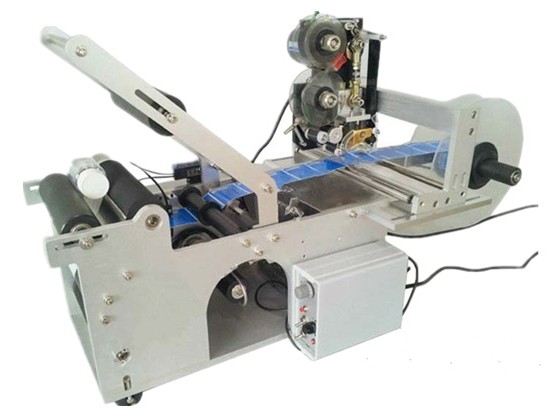
Labeling machines have become a critical component in modern packaging lines across food, beverage, pharmaceutical, chemical, and consumer goods industries. This article provides a comprehensive and structured exploration of labeling machines, focusing on how they operate, how technical parameters influence performance, and how businesses can evaluate their suitability for different production environments. The discussion also examines common operational questions and long-term industry evolution, offering a practical reference for decision-makers seeking scalable and compliant labeling solutions.
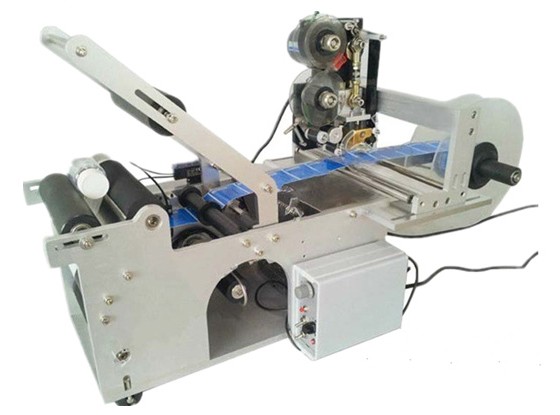
A labeling machine is an automated or semi-automated system designed to apply labels to products, containers, or packages with precision and consistency. These machines are commonly positioned downstream of filling, capping, or sealing equipment, ensuring that each finished product receives accurate identification, branding, and regulatory information.
The core objective of a labeling machine is to synchronize motion control, label dispensing, and container positioning. Depending on production requirements, labeling machines can operate as standalone units or as part of fully integrated packaging lines. Integration typically involves communication with conveyors, sensors, and programmable logic controllers to maintain continuous flow and minimize downtime.
From an operational perspective, labeling machines support compliance with international labeling standards, enhance traceability, and improve overall packaging throughput. Their ability to handle high-speed applications while maintaining label accuracy makes them indispensable in industrial-scale manufacturing environments.
Technical parameters play a decisive role in assessing labeling machine performance and compatibility with specific production scenarios. These parameters define operational limits, accuracy thresholds, and adaptability to different product formats.
| Parameter | Specification Range | Operational Significance |
|---|---|---|
| Labeling Speed | 20–200 units/min | Determines production capacity and line efficiency |
| Label Accuracy | ±0.5–1.0 mm | Ensures consistent placement and regulatory compliance |
| Applicable Container Diameter | 20–120 mm | Defines compatibility with bottles, jars, and containers |
| Label Size Range | Length 10–300 mm | Supports varied branding and information layouts |
| Power Supply | AC 110V/220V, 50–60Hz | Aligns with regional electrical standards |
| Control System | PLC + Touch Screen | Facilitates precise control and operator interaction |
By analyzing these parameters, procurement teams can align machine capabilities with production goals. For example, high-speed environments prioritize throughput and stability, while specialty product lines may focus on adaptability and precision.
Labeling machines are designed to accommodate a wide variety of industries, each with distinct packaging challenges. In the food and beverage sector, machines must handle moisture, temperature variations, and high-volume output. In pharmaceutical and medical applications, accuracy and traceability are paramount, often requiring integration with inspection and verification systems.
Material compatibility is another critical factor. Labeling machines can process paper labels, synthetic films, transparent labels, and adhesive-backed materials. Advanced tension control systems and adjustable dispensing mechanisms allow consistent application regardless of label thickness or surface texture.
Customization options such as wrap-around labeling, front-and-back labeling, top labeling, and corner sealing further extend application flexibility. This adaptability ensures that a single labeling platform can support multiple product lines, reducing capital expenditure and changeover time.
The labeling machine industry continues to evolve in response to automation trends, regulatory requirements, and sustainability initiatives. Smart labeling systems now incorporate data connectivity, enabling real-time monitoring, fault diagnostics, and predictive maintenance.
Another notable development is the growing emphasis on modular design. Modular labeling machines allow manufacturers to upgrade components or add new functions without replacing entire systems. This approach supports long-term scalability and operational resilience.
Sustainability considerations are also influencing machine design. Energy-efficient drives, reduced material waste, and compatibility with recyclable labels align labeling technology with broader environmental objectives.
Q: How does a labeling machine maintain accuracy at high speeds?
A: Labeling machines use synchronized servo motors, optical sensors, and real-time feedback systems to ensure precise label placement even during continuous high-speed operation.
Q: How can a labeling machine handle different container shapes?
A: Adjustable guide rails, interchangeable fixtures, and flexible labeling heads enable the machine to accommodate round, flat, square, and irregular containers.
Q: How often does a labeling machine require maintenance?
A: Routine maintenance schedules typically involve periodic inspection of rollers, sensors, and adhesive systems, with intervals determined by operating hours and production conditions.
Labeling machines serve as a foundational element in efficient and compliant packaging operations. Their ability to deliver consistent results across diverse industries underscores their strategic value in manufacturing environments. As technology advances, labeling machines will continue to integrate intelligent control systems and adaptable architectures, supporting long-term operational growth.
Within this evolving landscape, Dongguan Sammi Packing Machine Co., Ltd. has established a strong presence by focusing on engineering precision, system reliability, and application-specific solutions. Businesses seeking dependable labeling equipment aligned with industrial standards are encouraged to evaluate professional manufacturers with proven technical expertise.
For tailored recommendations, technical consultations, or detailed specifications, interested parties are invited to contact us to discuss project requirements and production objectives.