In modern manufacturing, packaging is far more than simply placing a cap on a bottle. Whether you produce beverages, pharmaceuticals, cosmetics, chemicals, edible oils, or household products, proper sealing directly impacts product safety, shelf life, brand reputation, and operational efficiency. A reliable capping machine can dramatically increase production speed while ensuring consistent sealing quality across every container.
As production volumes grow and quality requirements become more demanding, many manufacturers face challenges such as inconsistent torque, leaking bottles, labor shortages, and rising operational costs. Understanding how a capping machine works and selecting the right solution can help businesses overcome these obstacles and achieve long-term productivity gains.
This article explains how capping machines work, the different types available, their advantages, common industry applications, selection criteria, maintenance practices, and frequently asked questions. It also explores how automated capping solutions help manufacturers improve efficiency, reduce waste, and maintain consistent product quality.
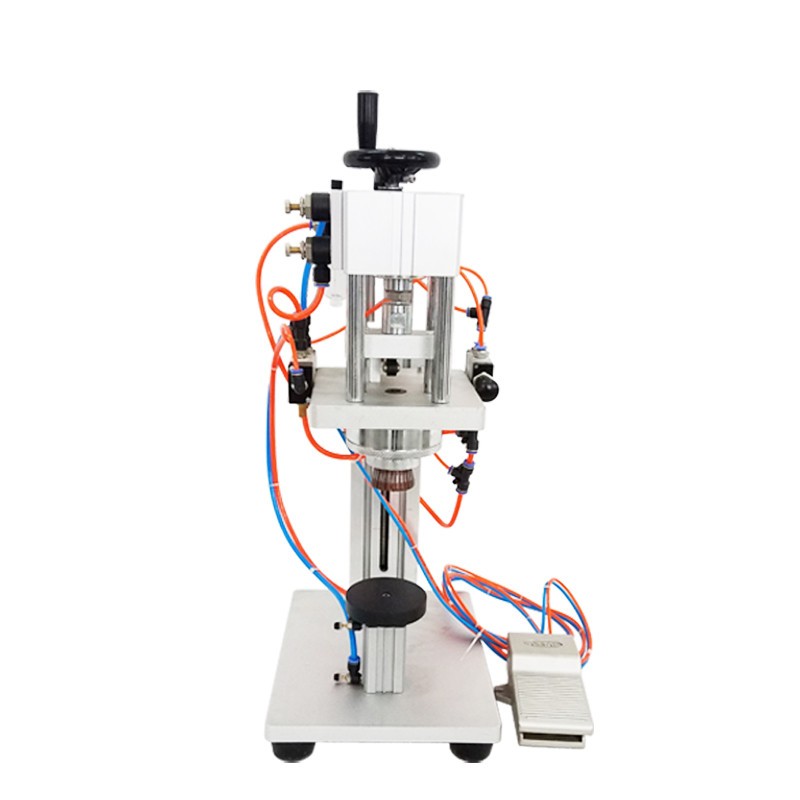
A capping machine is specialized packaging equipment designed to apply and tighten caps, lids, closures, or seals onto containers. The machine ensures that every bottle or container receives a secure and consistent closure that protects the contents from contamination, leakage, evaporation, and tampering.
Depending on production requirements, capping machines can operate manually, semi-automatically, or fully automatically. Advanced systems can integrate seamlessly into complete filling and packaging lines, handling thousands of containers per hour with exceptional accuracy.
Manufacturers rely on capping machines to improve consistency, minimize human error, and maintain packaging standards across large production runs.
Although designs vary, most capping machines follow a similar operational process.
Modern capping systems utilize servo motors, intelligent torque control, sensors, and programmable settings to ensure precise closure application. This helps eliminate common packaging issues such as loose caps, over-tightening, thread damage, and product leakage.
Different products require different closure methods. Selecting the correct machine depends on cap style, production volume, and container specifications.
| Machine Type | Suitable Caps | Main Application |
|---|---|---|
| Spindle Capping Machine | Screw Caps | Beverages, chemicals, cosmetics |
| Chuck Capping Machine | Threaded Caps | Pharmaceutical and food products |
| ROPP Capping Machine | Aluminum Caps | Wine, liquor, medicine bottles |
| Press-On Capping Machine | Snap Caps | Personal care and household products |
| Vacuum Capping Machine | Vacuum Seals | Sauces, pickles, glass jars |
| Automatic Capping Machine | Multiple Cap Types | High-speed production lines |
Many manufacturers initially struggle with inconsistent sealing quality, excessive labor costs, and production bottlenecks. Implementing a capping machine helps address these challenges effectively.
1. Increased Production Speed
Automated capping systems can process hundreds or even thousands of containers per hour, significantly outperforming manual operations.
2. Consistent Torque Control
Proper torque application ensures every cap is tightened uniformly, reducing leakage and customer complaints.
3. Lower Labor Costs
Automation minimizes dependence on manual labor and allows employees to focus on higher-value tasks.
4. Improved Product Safety
Secure closures help protect products from contamination during transportation and storage.
5. Reduced Product Waste
Accurate sealing minimizes spills, leaks, and damaged inventory.
6. Enhanced Brand Reputation
Consumers expect reliable packaging. Consistently sealed products create a positive customer experience and strengthen trust in the brand.
Capping technology serves a wide range of industries where product integrity is critical.
Each industry has unique closure requirements, making machine customization an important consideration during equipment selection.
Selecting the wrong equipment can lead to inefficiencies and unexpected costs. Consider the following factors before making a purchasing decision.
Production Volume
Low-volume operations may benefit from semi-automatic systems, while high-volume facilities typically require fully automated equipment.
Cap Type
Different caps require specialized handling mechanisms and torque control systems.
Container Material
Plastic, glass, aluminum, and composite containers each present unique handling requirements.
Future Expansion Plans
Investing in scalable equipment helps accommodate future growth without requiring complete system replacement.
Integration Capability
Ensure the capping machine can integrate smoothly with filling, labeling, inspection, and packaging systems.
Technical Support Availability
Reliable after-sales service and spare parts availability are essential for minimizing downtime.
Proper maintenance extends machine life and ensures stable performance.
Preventive maintenance programs often reduce unexpected downtime and improve overall equipment effectiveness.
| Feature | Manual Capping | Automatic Capping |
|---|---|---|
| Production Speed | Low | Very High |
| Labor Requirement | High | Low |
| Torque Consistency | Variable | Excellent |
| Operational Cost | Higher Long-Term | Lower Long-Term |
| Scalability | Limited | Highly Scalable |
| Product Quality | Operator Dependent | Consistent |
Q1: What products can be sealed using a capping machine?
Capping machines can seal bottles, jars, containers, vials, cans, and other packaging formats used across multiple industries.
Q2: How much production capacity can an automatic capping machine achieve?
Capacity varies by model and application. Some systems process dozens of containers per minute, while high-speed production lines can exceed several hundred containers per minute.
Q3: Can one machine handle multiple cap sizes?
Many modern capping machines are designed with adjustable components that allow quick changeovers between different cap and container sizes.
Q4: How important is torque control?
Torque control is critical because it ensures caps are neither too loose nor excessively tight, helping maintain product integrity and customer satisfaction.
Q5: How often should a capping machine be serviced?
Service intervals depend on production volume, operating conditions, and manufacturer recommendations. Routine inspections should be performed regularly.
A capping machine plays a vital role in modern packaging operations by ensuring secure closures, improving efficiency, reducing labor requirements, and maintaining product quality. Whether you operate in the food, beverage, pharmaceutical, cosmetic, or chemical sector, the right capping solution can significantly enhance production performance and reduce operational risks.
As packaging requirements continue to evolve, investing in reliable and scalable capping technology becomes increasingly important for maintaining competitiveness and delivering consistent customer satisfaction.
Dongguan Sammi Packing Machine Co., Ltd. specializes in advanced packaging equipment solutions designed to meet the diverse needs of manufacturers worldwide. If you are looking for a high-performance capping machine that can improve productivity, reduce downtime, and deliver dependable sealing results, now is the perfect time to explore professional solutions tailored to your production line. Contact us today to discuss your packaging requirements and discover how our experienced team can help you achieve greater efficiency and long-term business growth.